Bonus: a Free 2 week Meal Plan
For someone with MCAS, it’s like their mast cells are hypochondriacs.. they have detected danger and signalled for help, but there is no danger. Instead of stopping you from getting ill, they’re making you ill (unnecessarily).
My Histamine Story
Symptoms
I have a condition called MCAS (Mast Cell Activation Syndrome), which is otherwise referred to as Histamine Intolerance (HIT). Essentially my body reacts more strongly to histamine than the general population. This can result in some rather unpleasant symptoms including but not limited to: itchiness, hives (in my case Dermatographism Urticaria ‘skin writing’), headaches or migraines, IBS and digestive issues, bloating, intolerances to a LOT of food, low blood pressure, painful menstruation, acne, light-headedness or fainting, unusual sensitivities among other things.
The symptoms can vary from person to person, but usually for a diagnosis with a specialist you need to have 2-3 and I had several. Thankfully my symptoms do not include anaphylaxis, shortness of breath, vomiting or irregular heart beat, and I have only fainted once. I do really feel for those who do have these latter symptoms.
Allergies
Allergies seem to run in my family, as my brother is severely allergic to peanuts (anaphylaxis on consumption), my nan allergic to bananas and my mum allergic to nail polish and some plants (ivy, evergreen trees).
Diagnosis
In all honestly, after years of having a mix of symptoms, and being labelled as ‘normal’ by each hospital department looking at my symptoms in isolation; it was such a relief to be looked at holistically by a MCAS expert a few years ago and finally get a diagnosis for my ongoing symptoms affecting most of my bodily systems.
My decade (+) journey to get to my diagnosis could be a whole blog post of its own; with being sent home after going to A&E over a fainting episode, being sent home after going to A&E with a worrying spontaneous rash all over my body (and being declined a blood test to see what could have caused it), being told my symptoms were ‘in my head’, that I was ‘too sensitive’, I had a ‘low pain threshold’, I was just ‘too stressed’ and I should ‘relax more’ and I my menstrual pain and irregular bleeding was ‘normal’ among other traumatic and painful procedures; all comments from ‘experienced’ doctors and consultants. But I digress (sorry.. slight PTSD when I think about the experiences to get to a diagnosis, and the major failings in the medical industry; particularly for women).
My Medication
I usually take a type 1 histamine receptor blocker aka anti-histamine (Cetirizine Hydrochloride, over the counter medication) to manage my symptoms. However recently this has not been enough to settle my debilitating symptoms; affecting the quality of my life as a relatively young person and resulting in additional unplanned time off work. I have recently started taking a type 2 histamine receptor blocker aka antihistamines that reduce stomach acid (Famotidine, prescription medicine) to control my worsening symptoms. The jury is still out as to whether it’s working as intended.
There are also other medications that some people with MCAS/HIT may take. This can be in addition to, or instead of the above anti-histamines:
- Aspirin: For reducing flushing/redness.
- Mast cell stabilizers ie Cromolyn Sodium: To prevent mast cells from releasing histamine.
- Leukotriene modifiers ie Montelukast and Zafirlukast: These can help you breathe better.
- Omalizumab: For reducing anaphylactic episodes.
- Epinephrine aka EpiPen: For stopping anaphylaxis after a severe episode (carried with sufferers wherever they go for in case of emergency).
- Corticosteroids: These reduce inflammation, open up the airways and reduce tissue fluid. Due to the risk of side effects, it’s not often prescribed for MCAS.
Why the Low Histamine Diet?
I have decided to look into other ways to bring my exposure to histamine down. I can feel very out of control experiencing MCAS symptoms. The idea of a low histamine diet appeals to me as it provides much needed empowerment and optimism to (hopefully) improve my symptoms. Unfortunately for me this means dropping chocolate completely from my diet, among other things, which is admittedly super painful as a chocolate lover.
Initially the low histamine diet (like most diets I suppose) can feel very restrictive. Please remember you’re not alone in this journey. With time, I believe we will all figure out ways of living with our condition and unique sensitivities.
Disclaimer: I am not a medical expert. I am sharing my personal experience, and online research; which is susceptible to inaccuracies. Please use your discretion and always do your own research before trying things for yourself.
High Histamine Foods To Avoid
Firstly let’s start off with the foods that should be omitted entirely. This will help bring much needed awareness of trigger foods that may trigger unpleasant symptoms.
This list includes foods that most websites I researched suggested should be eliminated completely. It also includes foods that can influence histamine levels in negative ways, such as inhibiting diamine oxide (DAO). DAO is an enzyme that helps to lower histamine levels in the body; something we definitely want to keep active. There are also foods that are ‘histamine liberators’. These trigger mast cells to release more histamine, resulting in more unpleasant symptoms.
Generally, processed, not fresh, tinned, fermented, aged, matured, take-away and leftover foods should be avoided.
High Histamine Foods, DAO inhibitors and/or Histamine Liberators:
- Chocolate (and cocoa powder, even dark chocolate doesn’t make the cut, sorry)
- Alcohol (wine, beer and champagne)
- Processed meat (pork in general, aged and processed meats, bacon, sausages, salami, pepperoni)
- Cheeses (most aged cheeses, including cheddar and blue cheese)
- Vinegar and pickled vegetables & fruits (including Sauerkraut)
- Vegetables (tomatoes, spinach, avocado)
- Fruit (strawberries, banana, pineapple, papaya and all citrus fruits)
- Seafood (mackerel, tuna, sardines, herring, prawns)
- Nuts and peanuts
- Liquorice
- Additives (colorants, preservatives)
There are more foods that can be avoided, but some seem to be subject to opinion. For example, some say peas and lentils are okay; whilst others say they are not. I would recommend doing your own research. You can then decide for yourself if you want to include them in your diet or not.
Perhaps eat mostly the non contested low histamine foods. You can then gradually introduce the possible histamine foods when your symptoms are under control.
Histamine Checker Tools (Free)
I have found the following tools useful for seeing which foods can be enjoyed on a low histamine diet. Check them out and see if any of your favourites have made the cut.
- ‘Intolerances’ app (strawberry icon with a blue background). They have a free version with limited traffic light colour coded info. They also have a £17.99 paid one off pro version to reveal more detailed info. I am currently using the free one.
- ‘Histamino.com’ website for the low to high ratings of histamine in most common foods.
Low Histamine Foods You Can Eat
Thankfully there are still a lot of foods that we can eat on a low histamine diet. This provides much-needed peace of mind and positivity. Granted the list might not include some of your favourite foods. However take solace in the fact that a lot of these foods are naturally quite healthy. Hopefully this means our bodies will be a lot better for it.
Please note that the following list is incomplete. There are a lot more foods that can be added to the list. It’s mostly made up of the food that I enjoy myself or am willing to try.
Low Histamine Foods:
Drinks – Water, Chamomile Tea, Peppermint Tea, Stinging Nettle Tea, Rooibos Tea, Fruit Tea, Ginger Tea, Carrot Juice, Oat Milk, Hemp Milk, Soy Milk.
Condiments, Herbs & Spices – Sea Salt, Pepper (White, Black), Onion Powder, Garlic Powder, Parsley, Oregano, Rosemary, Saffron, Sage, Turmeric, Thyme, Basil, Bay Leaf, Cardamon, Cumin Seeds, Mixed Herbs, Peppermint, Spearmint, Ginger, Chives, Fennel, Dill, Caraway Seeds, Marjoram, Coriander, Lemongrass, Lemon Balm, Anise Seeds, Tarragon, Tahini.
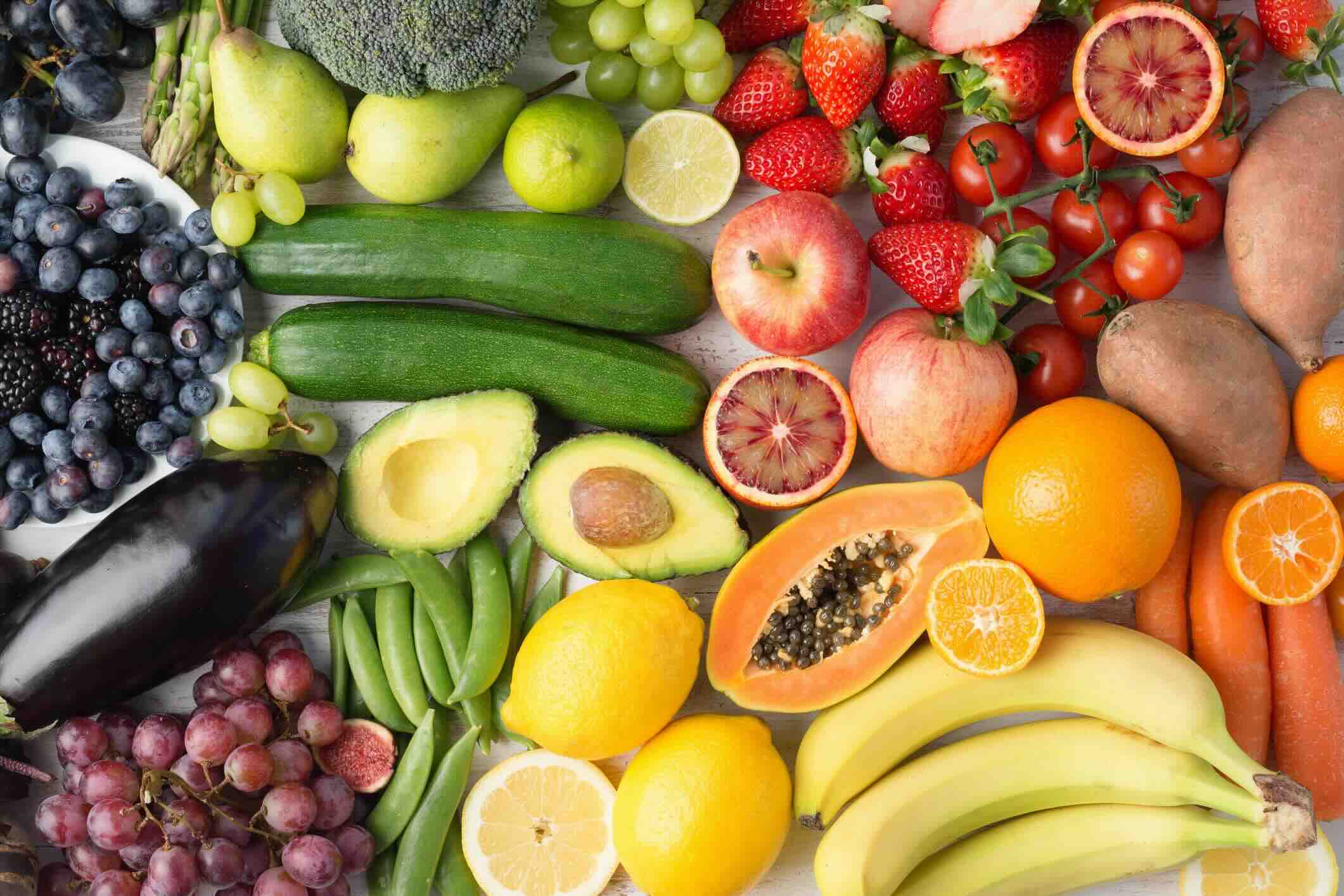
Fruits – Blueberries, Raspberries, Apple, Peach, Pear, Cherries.
Vegetables – Bell Pepper, Onion, Carrot, Cucumber, Iceberg Lettuce, Kale, Broccoli, Sweetcorn, Parsnips, Garden Peas/Petit Pois (small portion), Courgette, Cabbage (cooked), Leek, Okra, Pak Choi, Watercress.
Mushrooms – White Cup Button, Portobello, Oyster, Cremini, Enoki, Reishi (1/2 cup cooked, fresh or frozen, not dried).
Cereals – Oat (Porridge), Rice, Wheat, Barley, Buckwheat, Fresh Homemade Bread (except Sourdough), Croissant.
Bakery – Oat Flour, Corn Flour, Wheat/Wholewheat Flour, Arrowroot Flour, Cassava Flour, Millet Flour, White Rice Flour, Spelt Flour, Semolina Flour, Bakers Dry Yeast, Sugar, Cane Sugar, Agave Nectar, Sugar Syrup, Baking Soda, Coconut Sugar, Vanilla Extract, Molasses, Glucose, Maple Syrup, Golden Syrup, Honey, Birch Syrup, Date Palm Syrup, Cream of Tartar, Acetic Acid Vinegar.
Complex Carbs – Rice, Pasta, Potatoes & Sweet Potatoes (Fried variety too), Tortilla Wraps, Rice Noodles, Baguette.
Snacks – Crackers, Flatbread, Corn Cakes, Rice Cakes, 3 Ingredient Sea Salt Crisps, Homemade Apple Pie, Homemade Sponge Cake, Homemade Biscuits, Homemade Blueberry Muffins, Oatmeal Cookies.
Seeds – Chia seeds, Flaxseeds, Linseed, Sunflower Seeds, Pumpkin Seeds, Sesame Seeds.
Cooking Oils – Olive Oil, Sunflower Oil, Flaxseed Oil, Corn Oil, Walnut Oil, Hempseed Oil, Palm Oil, Poppyseed Oil, Cottonseed Oil, Argan Oil, Avocado Oil, Algae Oil, Cocoa Butter, Ghee, Grass Fed Butter.
Cheese – Soft Cheese, Mozzarella, Pasteurised Cheese.
Red Meat – Organic / Grass Fed Fresh Beef and Lamb.
White Meat – Organic Chicken Breast and Turkey.
Seafood – Crab, Lobster, Frozen Skinless Pollock, Frozen Skinless Cod, Organic Farmed Skinless Salmon (1 portion a week, not smoked).
Eggs – Scrambled, Poached, Boiled (not fried).
Low Histamine 2 Week Meal Plan
Download my Free PDF (below) with 2 weeks worth of Low Histamine Meals, consisting of:
- 4 Breakfasts (repeated throughout the week for simplicity and cost savings)
- 4 Lunches / Snacks (repeated throughout the week for simplicity and cost savings)
- 14 Dinners (unique meals for variety over 2 weeks)
- A comprehensive list of the low histamine foods I liked which are listed above.
You could print this out, keep it on your fridge as a reminder. You could even save it on your phone for when you are shopping.
I hope this blog post and meal plan has been helpful. Please let me know in the comments as it’s always nice to hear of the impact my blog has on others, especially after the time that goes into these posts. Good luck in your low histamine journey.
Let me know in the comments what foods have helped you in your low histamine journey to reduce your symptoms.